Kretek Guide
What Is Kretek? A Guide to Indonesian Clove Cigarettes
Kretek is an Indonesian cigarette made of tobacco blended with roughly one-third shredded clove buds and a flavoring "sauce," named for the crackling sound the cloves make as they burn.
Updated · Cigars Indonesia Editorial Team
Read About Djarum Black →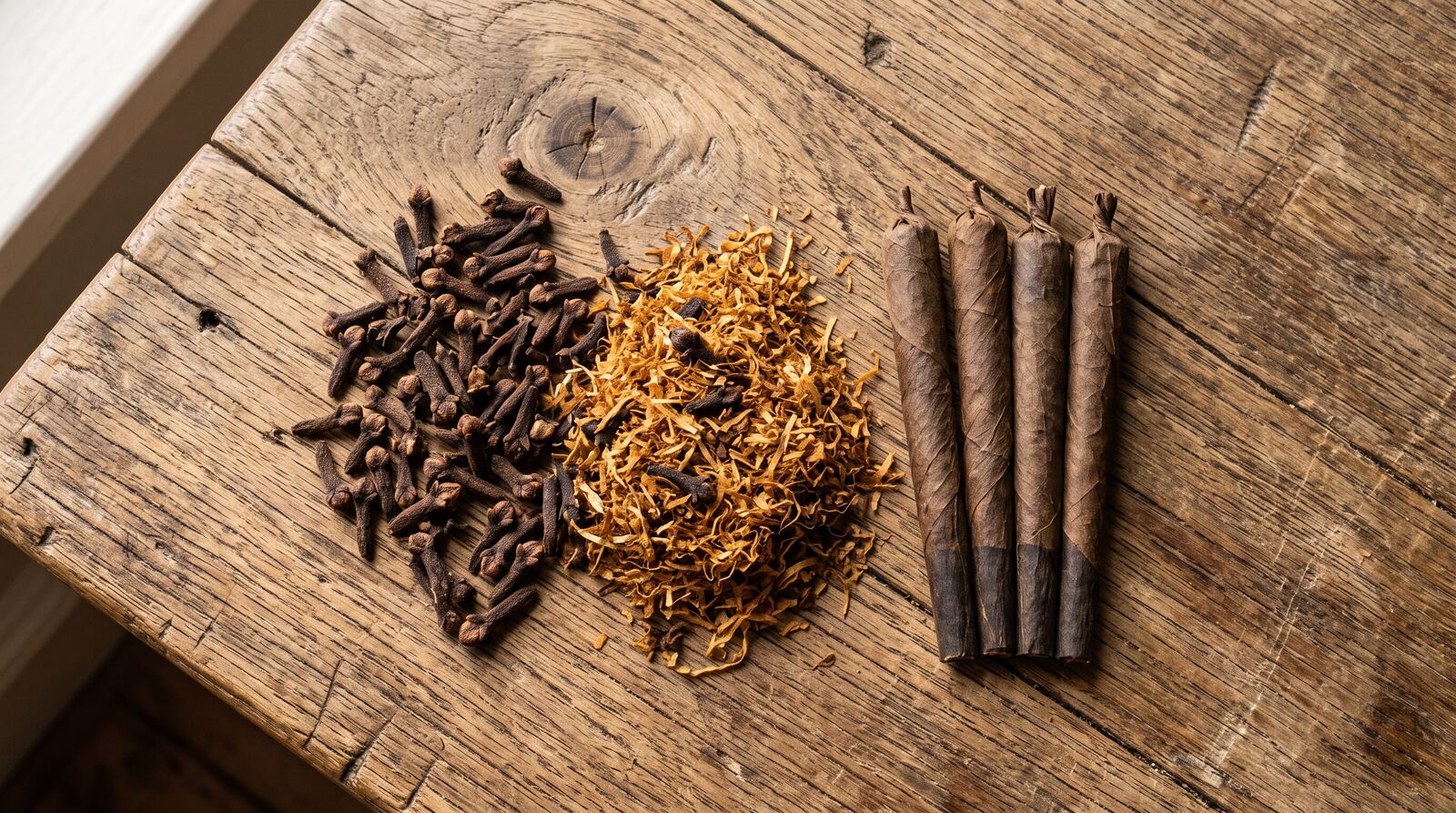
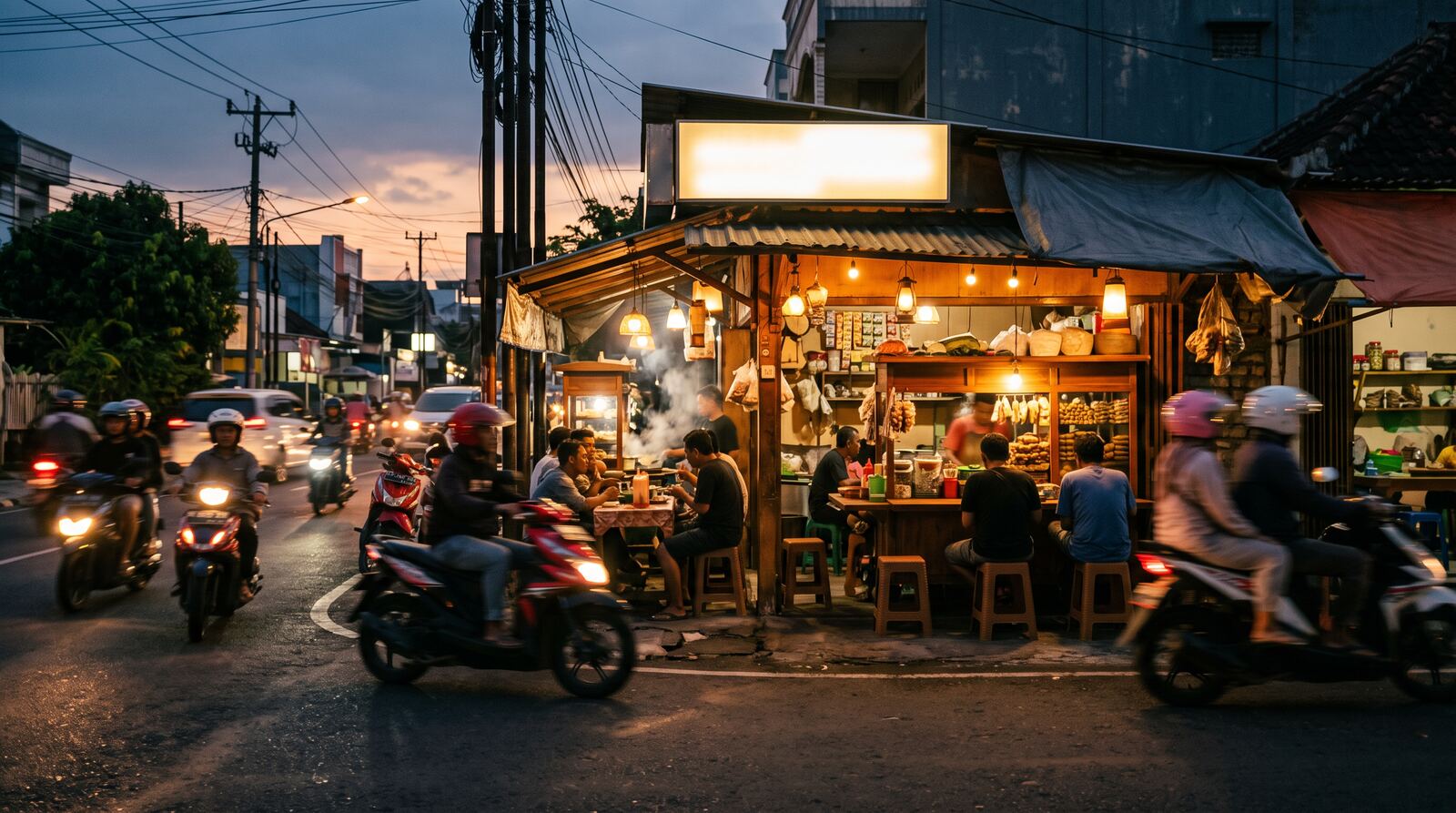
Walk down almost any street in Indonesia and you will smell it: a sweet, spicy smoke that is unmistakably clove. That is kretek, the cigarette that dominates the country's tobacco market. Here is where it came from and how it differs from ordinary cigarettes.
Invented as a Remedy
According to the most common story, kretek was invented around 1880 by Haji Djamhari, a man from Kudus in Central Java who suffered from chest pains. Clove oil was a familiar folk remedy, so he mixed crushed cloves into his hand-rolled cigarettes. The new cigarettes were first sold as a medicinal product called rokok cengkeh, or "clove cigarettes," and the town of Kudus became the center of a new industry.
Why It's Called Kretek
The name is onomatopoeic. When the clove pieces in the blend burn, they pop and crackle: "kretek-kretek." The sound became the name.
What Is in a Kretek
- Tobacco: a blend that can include more than 30 types of leaf, much of it grown in Java and Madura.
- Cloves: dried, shredded clove buds, usually about one-third of the blend.
- Sauce (saus): a secret flavoring mixture that each maker guards closely.
- Paper or wrapper: traditional kreteks were rolled in corn husk; today most use paper, and some have sweetened tips.
Hand-Rolled vs. Machine-Made
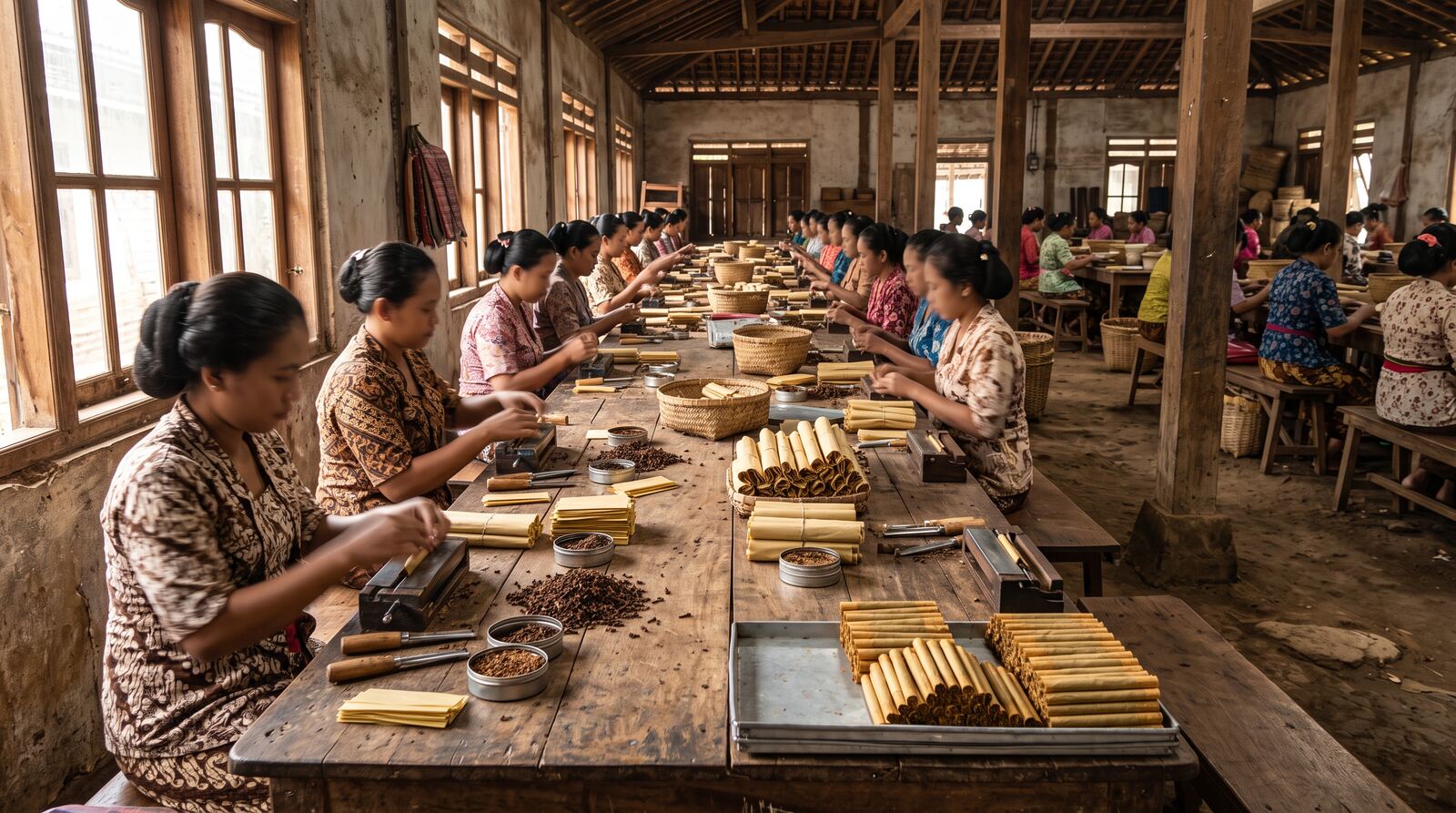
Indonesian law and tax rules distinguish hand-rolled kretek (sigaret kretek tangan, or SKT) from machine-made kretek (sigaret kretek mesin, or SKM). For most of the 20th century kreteks were rolled by hand, often by large teams of women working at high speed. Machine-made cigarettes overtook hand-rolled ones in the mid-1980s, but hand-rolling still employs many workers, particularly in Central and East Java.
Nitisemito, the "King of Kretek"
In 1906 Nitisemito of Kudus created the Bal Tiga brand and turned kretek into a mass-market product. He used branded, embossed packs and free promotional gifts, and he organized production through contractors who delivered finished cigarettes for piecework pay. His methods set the pattern for the companies that followed.
How Big Is Kretek?
Kreteks are preferred by roughly 90% of Indonesian smokers, helped by lower tax rates than white cigarettes. Hundreds of large and small manufacturers make them. The biggest are profiled in kretek brands.
Kretek and Health
Kreteks are often assumed to be gentler because of their sweet aroma, but research has found they contain as much or more nicotine, tar and carbon monoxide than ordinary cigarettes. Eugenol, the main compound in clove oil, numbs the throat, which may lead smokers to inhale more deeply, and doctors have linked clove smoking to some cases of lung injury. Kreteks carry the same serious health risks as any cigarette.
Kretek in the U.S.
Clove cigarettes were sold in the U.S. for decades and were popular with young adults. The 2009 Family Smoking Prevention and Tobacco Control Act banned all cigarettes with characterizing flavors other than menthol, and clove cigarettes could no longer be legally sold after September 22, 2009. Indonesia challenged the ban at the World Trade Organization and won a ruling in 2012, but the ban stayed in place. What replaced kreteks on U.S. shelves is explained in Djarum Black and clove cigars.
Frequently Asked Questions
Who invented kretek?
Haji Djamhari of Kudus, Central Java, is traditionally credited with inventing kretek around 1880.
Why is it called kretek?
The name imitates the crackling sound the clove pieces make as they burn.
How much clove is in a kretek?
Shredded clove buds usually make up about one-third of the blend.
Are kreteks safer than regular cigarettes?
No. They deliver as much or more nicotine, tar and carbon monoxide, and clove's eugenol numbs the throat.
Can you buy kretek in the U.S.?
Not as cigarettes. Clove cigarettes have been banned from sale since September 2009; filtered clove cigars are sold instead.